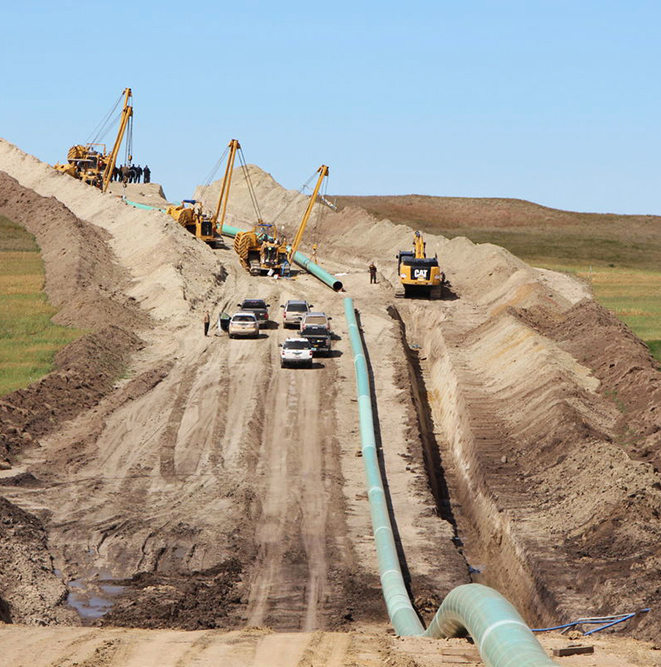
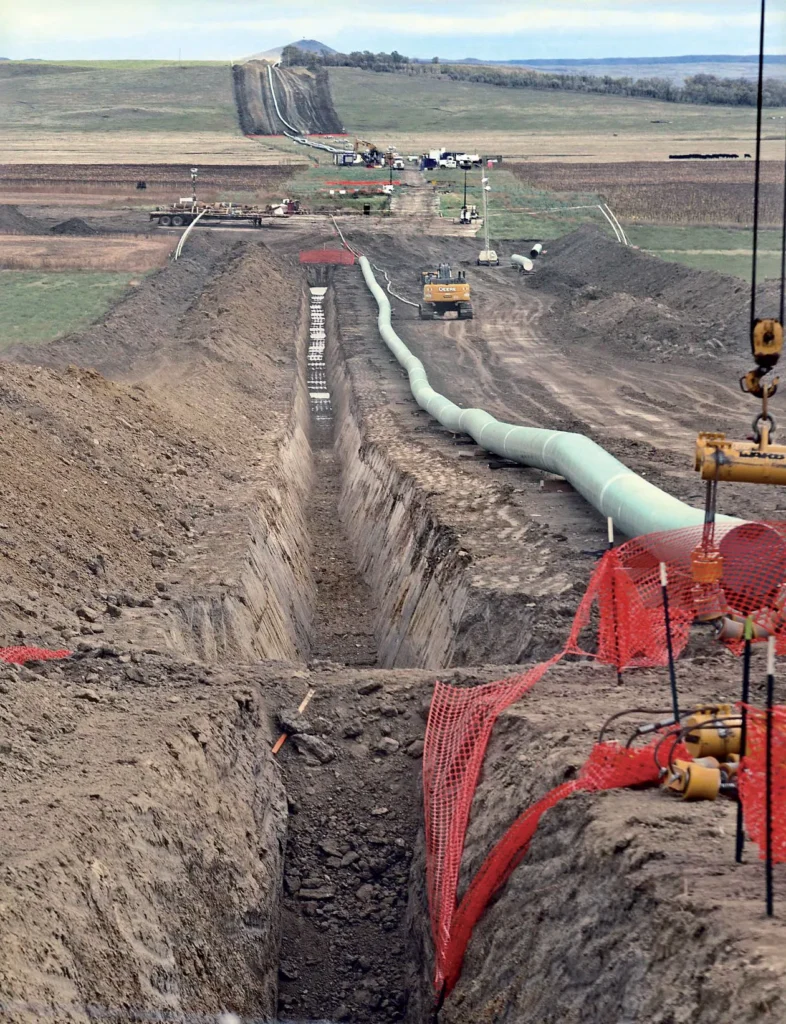
One of the biggest challenges in the Bakken has been gas takeaway constraints. When gas can’t be moved efficiently, operators are sometimes forced to flare it or choke back production.
New pipelines directly address this problem by creating additional outlets for associated natural gas, which means:
For mineral owners, that typically translates into more reliable royalty payments and fewer disruptions tied to midstream bottlenecks.
In the Bakken, oil and gas are inseparable — if gas can’t move, oil development slows. These new gas pipelines remove a key constraint that has historically limited drilling activity in certain areas.
What that means for mineral owners:
Existing producing minerals may see longer well life and more stable production profiles
Undeveloped or partially developed minerals become more attractive to operators
Operators are more willing to commit capital when takeaway infrastructure is secure
In short, gas pipelines help keep the Bakken drilling-friendly, which is essential for long-term mineral value.

Buyers of Bakken mineral rights pay close attention to infrastructure risk. Areas with limited gas takeaway typically trade at a discount.
As major pipeline projects move forward:
This can support stronger mineral pricing, particularly for:
For owners considering a sale, improving midstream infrastructure often strengthens marketability.
Unlike some legacy pipelines that move gas out of the region, several of the proposed projects are designed to support in-state demand — power generation, industrial use, and future energy-intensive projects.
For mineral owners, this matters because:
For mineral owners, it generally means:
While every tract and lease is different, expanding gas infrastructure is one of the most important ingredients in keeping the Bakken competitive — and valuable — for decades to come.